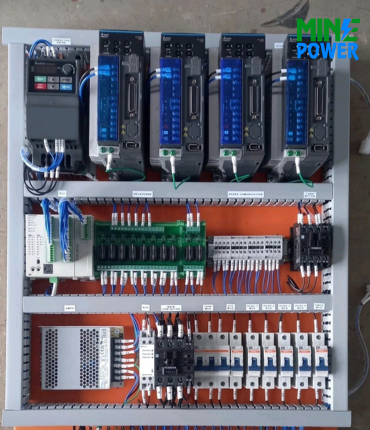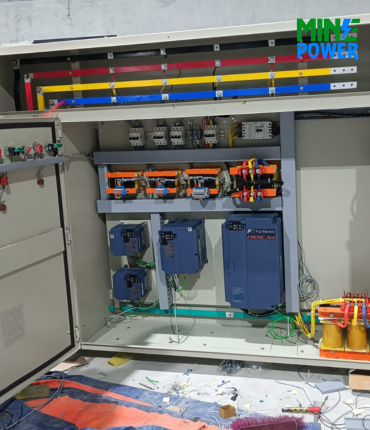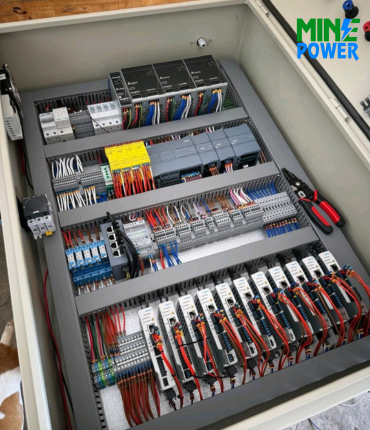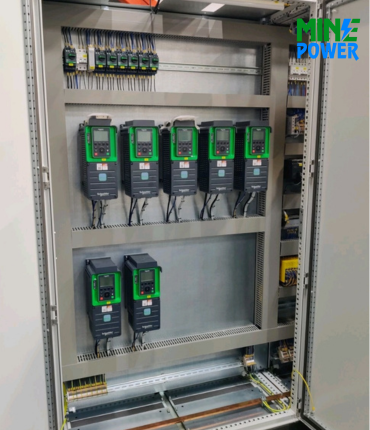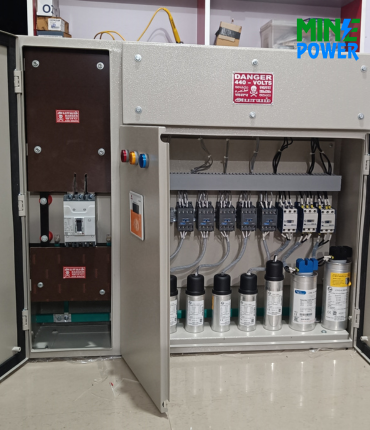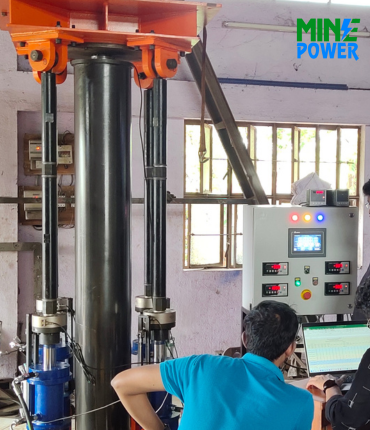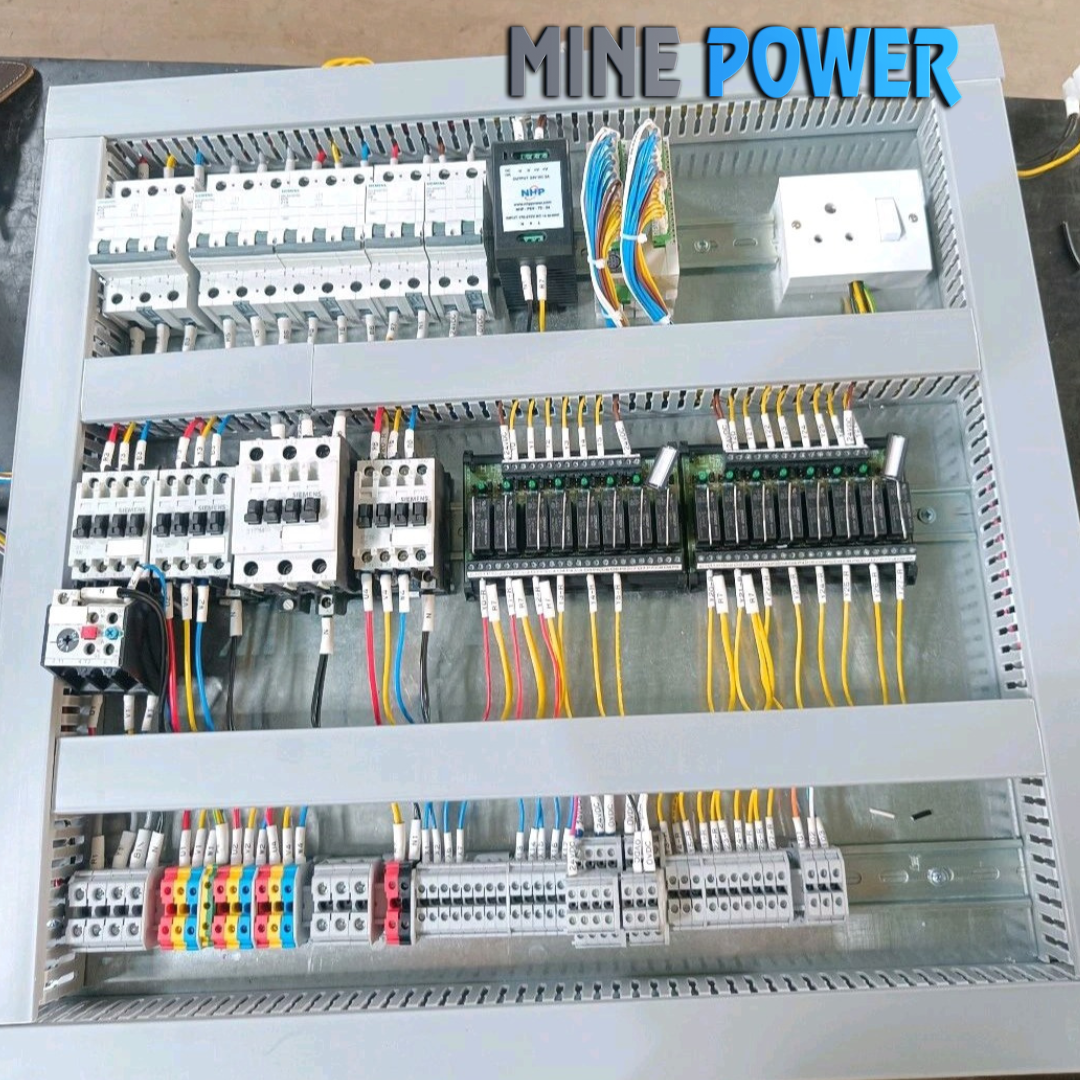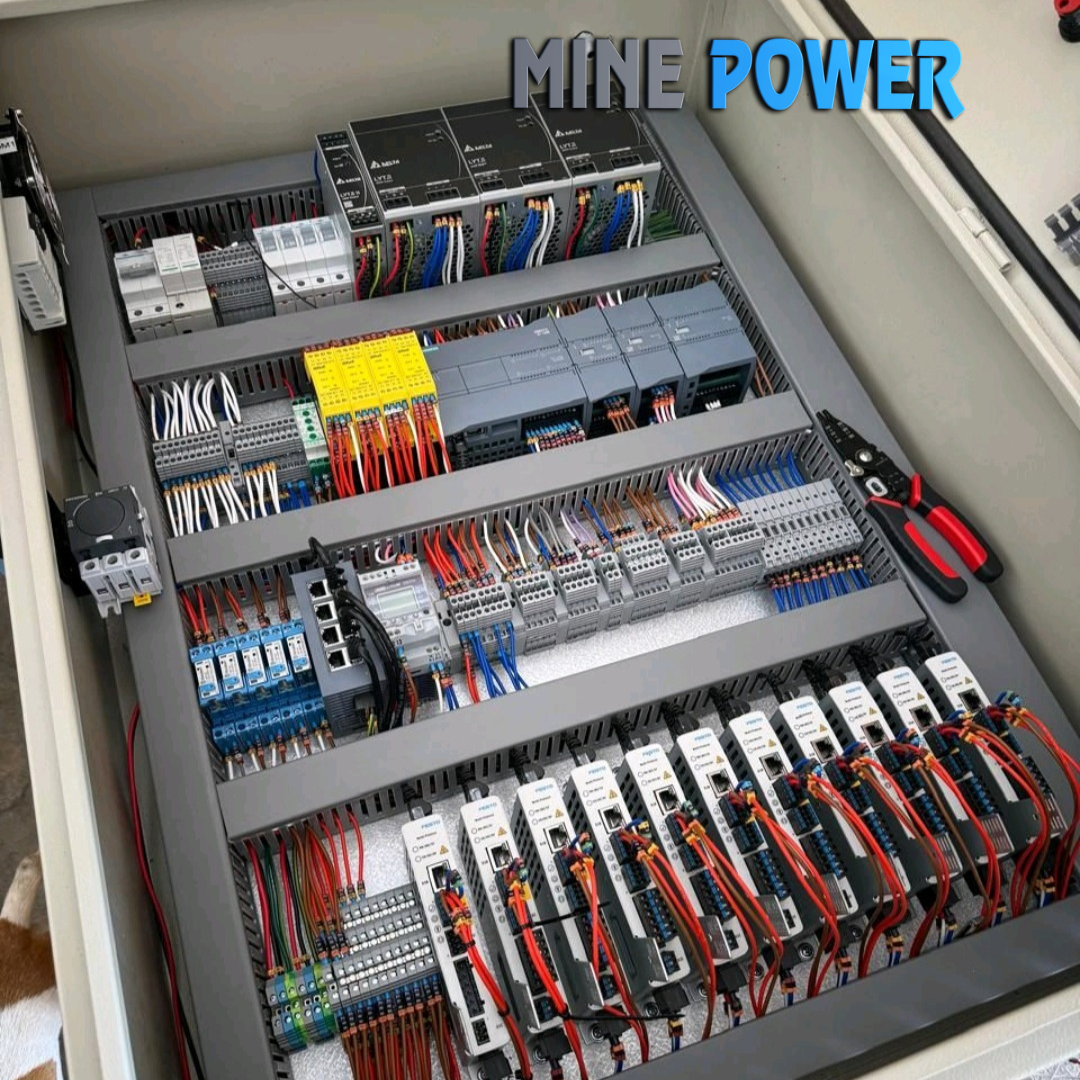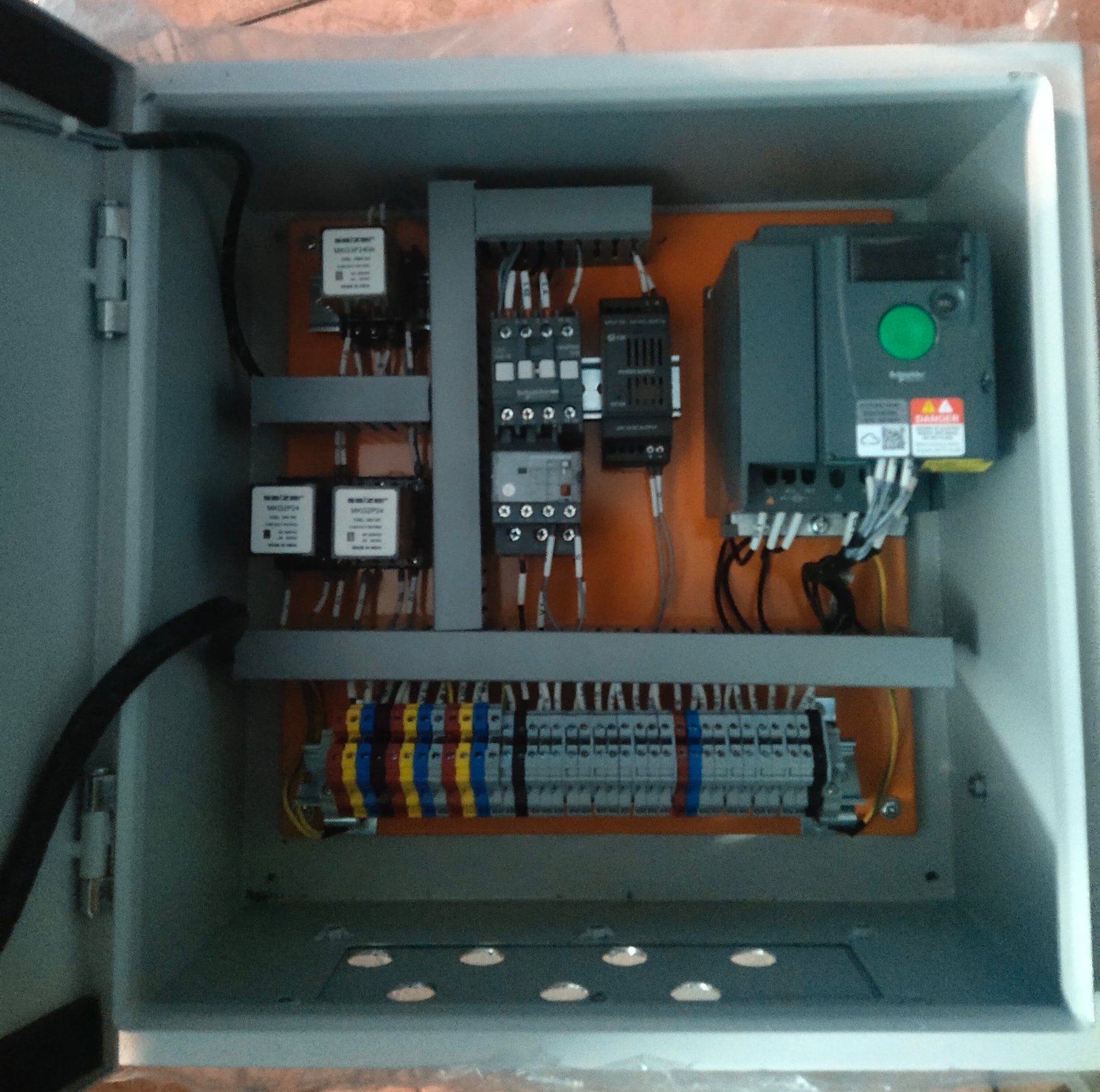

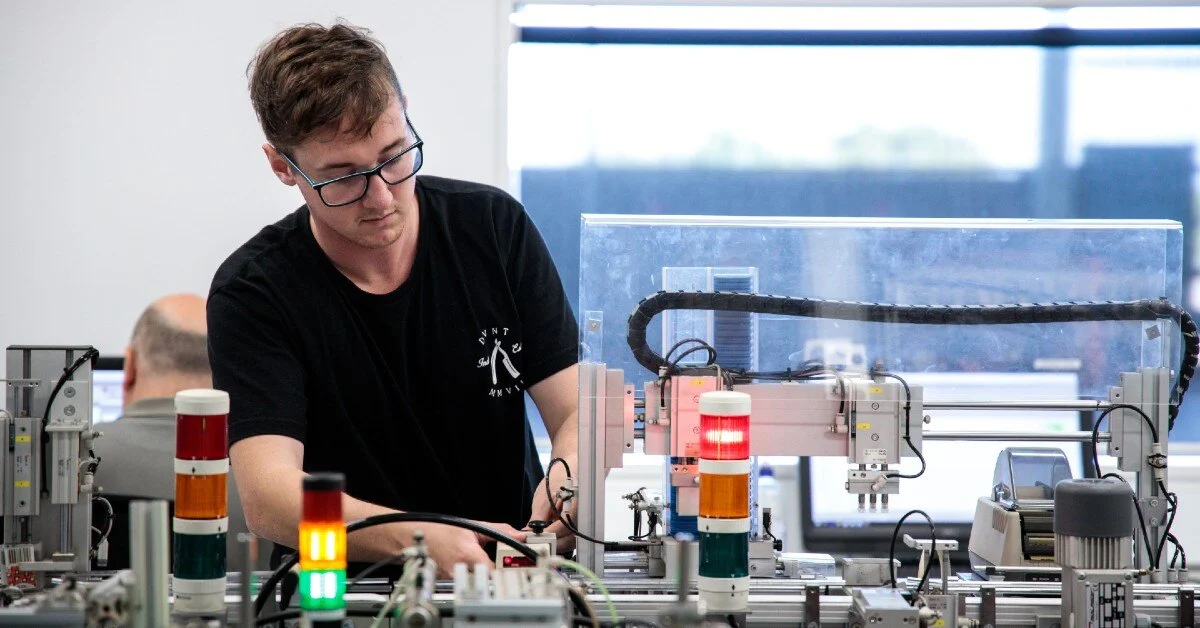
Caption: Hands-on Training
In today’s industry-driven world, hands-on training is essential for students to convert classroom knowledge into real engineering skills. A well-equipped student lab provides the environment where theory meets practice—helping learners understand how industrial systems actually work.
Why Hands-On Training Is Important
Hands-on training allows students to:
Work directly with real industrial equipment
Understand system behavior beyond textbooks
Build confidence in handling panels, wiring, and instruments
Develop troubleshooting and problem-solving skills
This practical exposure prepares students for real plant and site conditions.
Inside the Student Lab
In a structured lab session, students gain experience with:
PLC panels and control wiring
Sensors, push buttons, and relays
Motors, starters, and VFDs
SCADA and HMI operation
Industrial safety practices and standards
By performing live experiments, students learn how systems are assembled, programmed, tested, and monitored.
Learning by Doing
Hands-on training promotes active learning. Students don’t just watch demonstrations—they:
Connect inputs and outputs
Write and test logic
Observe real-time responses
Identify and rectify faults
This “learning by doing” approach strengthens technical understanding and builds long-term competence.
Industry-Ready Skill Development
Practical lab exposure helps students:
Reduce fear of complex control systems
Gain familiarity with industrial tools and equipment
Improve employability and job readiness
Transition smoothly from academics to industry
Conclusion
Student lab training with a strong focus on hands-on experience is the foundation of skill-based education. By working on real automation and electrical systems, students become confident, capable, and industry-ready professionals.
At Mine Power, we believe hands-on training transforms learning into real-world expertise.