
In today’s fast-moving industrial world, PLC (Programmable Logic Controller) programming has become one of the most essential skills for automation engineers, technicians, and industries aiming for efficiency, reliability, and smart control systems.
From factory automation to power plants and process industries, PLCs play a vital role in controlling machines, coordinating operations, and ensuring smooth production with minimal downtime.
What is a PLC (Programmable Logic Controller)?
A PLC is an industrial-grade digital controller designed to automate electromechanical processes. It continuously monitors input signals, executes programmed logic, and controls output devices such as motors, valves, conveyors, and alarms.
Unlike conventional relay logic, PLCs offer:
-
High reliability
-
Easy troubleshooting
-
Flexibility in programming
-
Scalability for future expansion
This makes PLCs the preferred automation solution across industries.
Why PLC Programming is Considered the “World’s Easiest Programming”
PLC programming is often called the world’s easiest programming because it is:
-
Graphical and logic-based, not complex code
-
Designed for electricians and engineers
-
Easy to understand, modify, and debug
Ladder Logic—The Heart of PLC Programming
The most commonly used PLC language is Ladder Diagram, which visually resembles electrical relay circuits. This allows engineers to quickly design, test, and maintain control logic without advanced programming knowledge.
Applications of PLC in Industrial Automation
PLC systems are widely used in:
-
Manufacturing plants
-
Power distribution panels
-
Motor control centers (MCC)
-
Pumping and water treatment systems
-
Packaging and material handling
-
SCADA-based monitoring systems
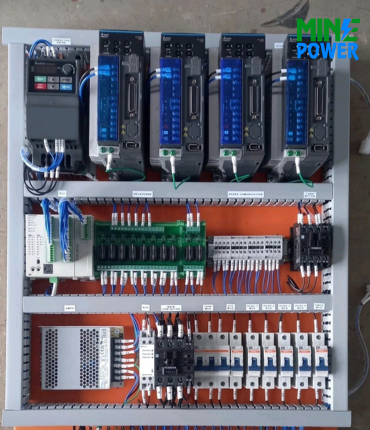
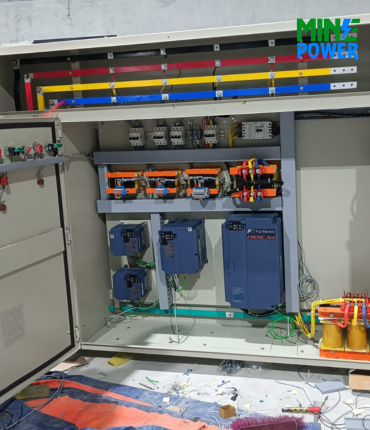
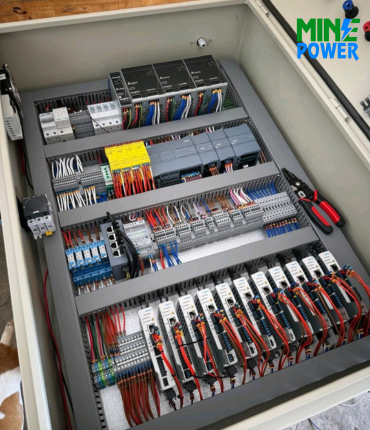
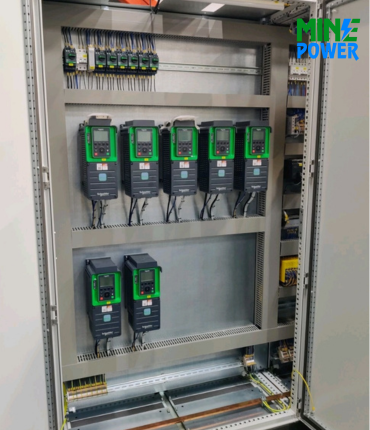
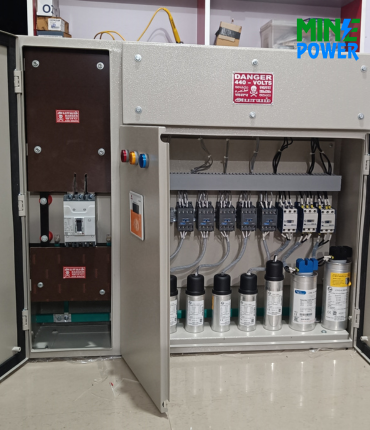
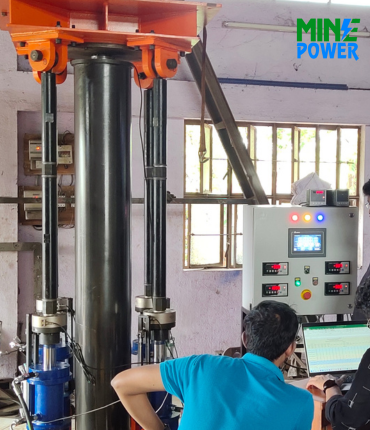
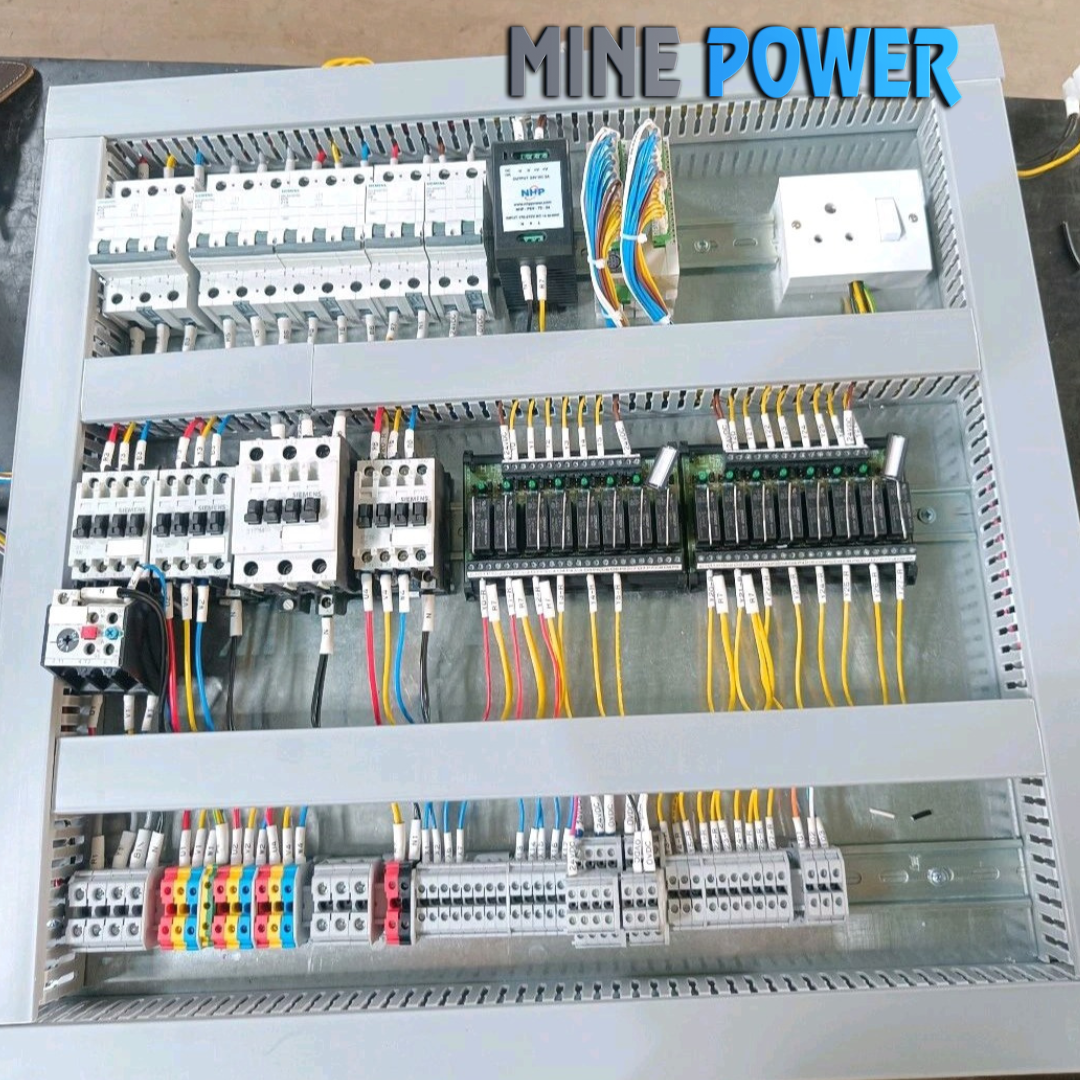
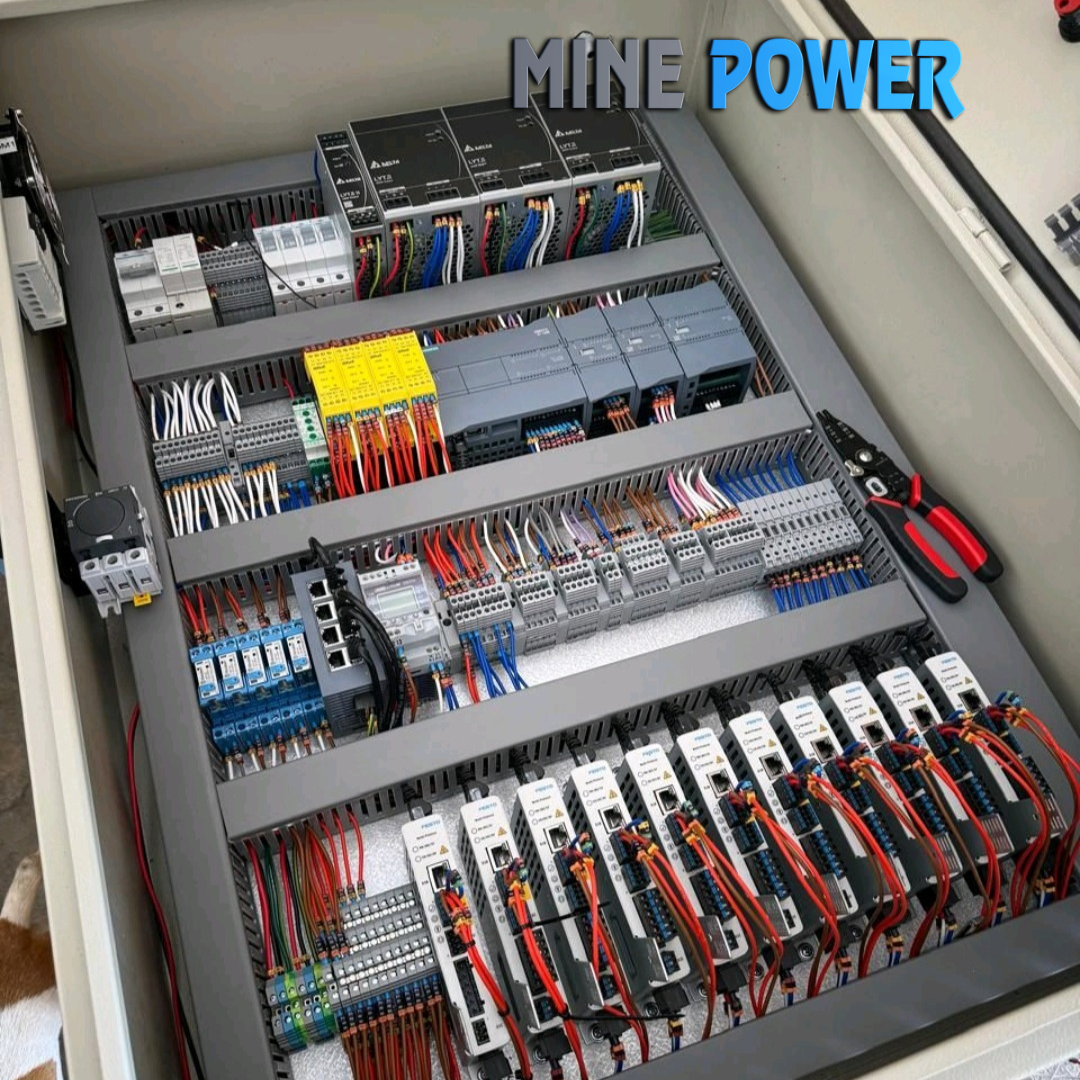
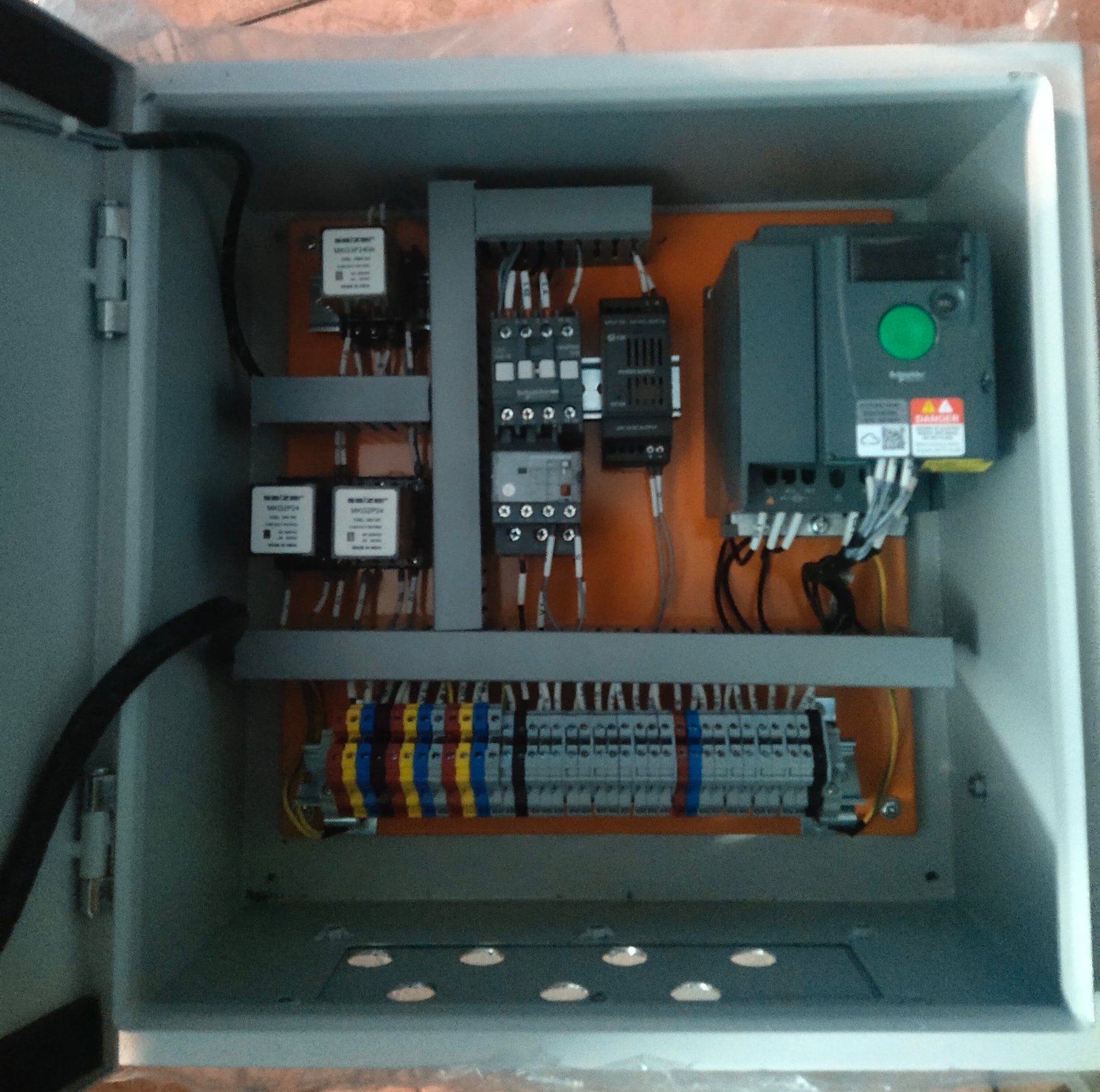
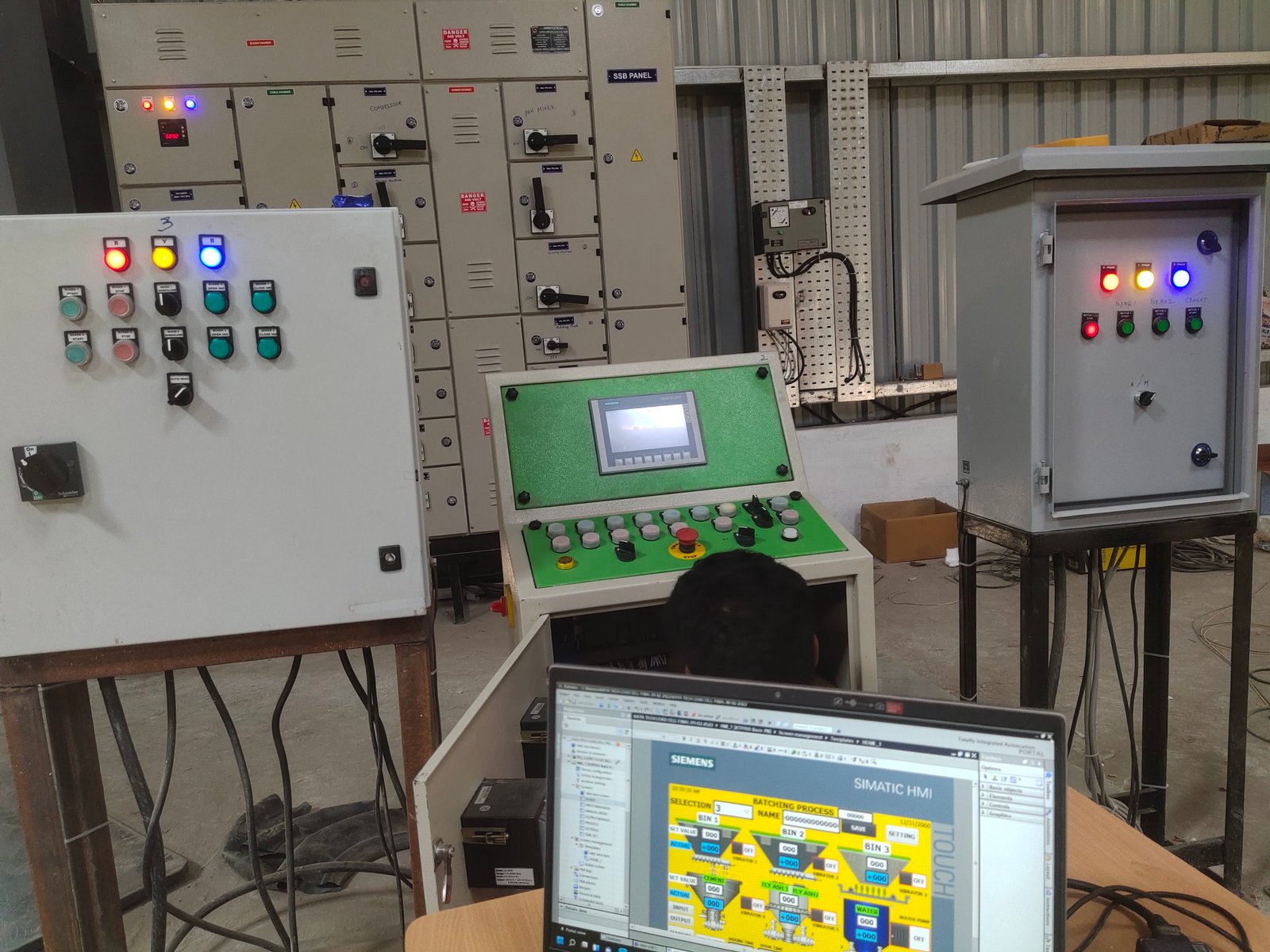
At Mine Power, PLCs are integrated into automation panels and control systems to deliver safe, efficient, and intelligent industrial solutions.
PLC & SCADA: Smart Control & Monitoring
When PLCs are integrated with SCADA systems, industries gain:
-
Real-time data monitoring
-
Remote control capabilities
-
Alarm and fault diagnostics
-
Improved productivity and energy efficiency
This combination forms the foundation of Industry 4.0 and smart factories.
High Demand for PLC Programmers in Industry
With rapid industrial automation growth, there is a huge demand for skilled PLC programmers. Industries require professionals who can:
-
Design automation logic
-
Troubleshoot machines quickly
-
Optimize production processes
-
Reduce downtime and maintenance costs
PLC programming skills open doors to careers in:
-
Industrial automation
-
Electrical maintenance
-
Control system design
-
Robotics and smart manufacturing
Why Choose PLC Solutions from Mine Power?
Mine Power specializes in:
-
Industrial automation panels
-
PLC & SCADA system integration
-
Customized control solutions
-
Reliable electrical and automation products
Our solutions are designed to meet industrial safety standards, ensure long-term reliability, and support future automation upgrades.
Conclusion
PLC programming is no longer optional—it is the core skill behind modern industrial automation. Its simplicity, power, and reliability make it the backbone of automated industries worldwide.
Whether you are an industry looking for automation solutions or an engineer aiming to build a strong automation career, PLC technology is the key to smarter, safer, and more efficient operations.